


TIPCHECK Audit – Food Production Industry
The Result
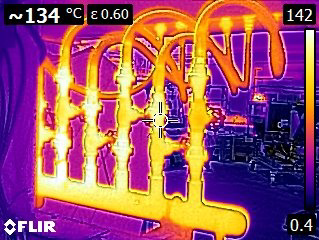
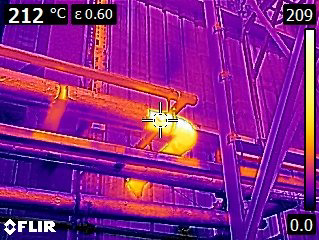
When conducting the TIPCHECK Audit, multiple pipelines and equipment were identified by our teams, at temperatures ranging from 40 degrees C to 250 degrees C, that would benefit from a new insulation system and consequently provide significant savings for the plant.
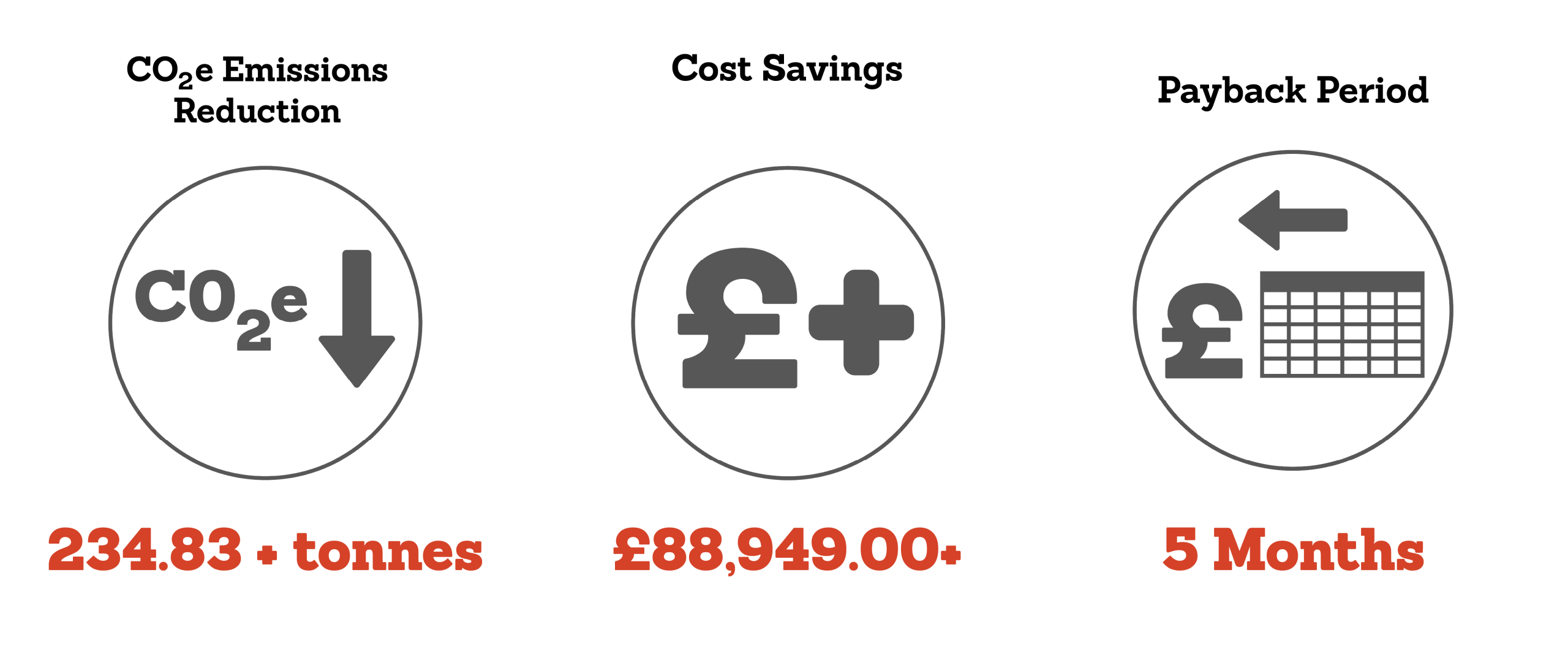
Using the information gathered during the audit, our TIPCHECK Experts were able to provide the cost savings per line/ equipment, CO2 emissions reduction, energy savings and the payback period; utilising the TIPCHECK Tool and the Energy Efficiency Classification methods (BS EN 17956).
The Numbers p.a.

The Challenge
Our TIPCHECK Experts were tasked with carrying out a Technical Insulation performance Check (TIPCHECK) in a food production facility to identify lines and equipment that would benefit from insulation systems to reduce CO2 emissions and costs. These measures are becoming increasingly more important as companies aim to comply with the governments Energy Savings Opportunities Scheme and act upon improving sustainability to achieve net zero emissions.
What We Delivered
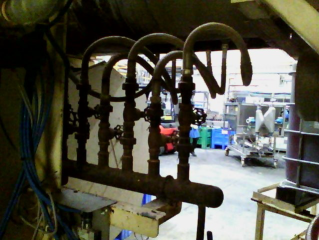
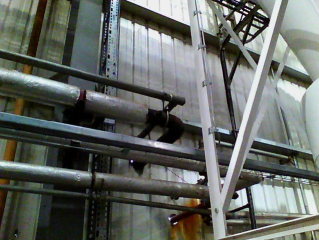
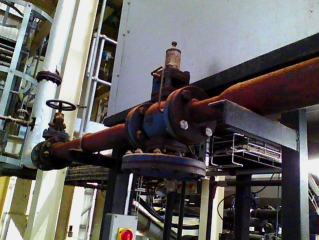
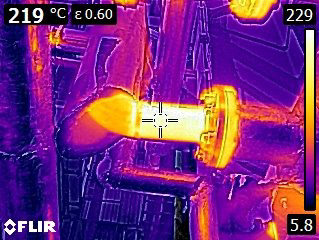
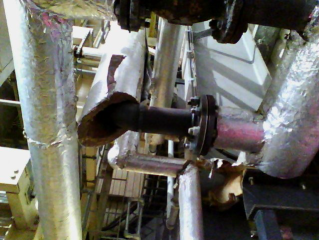
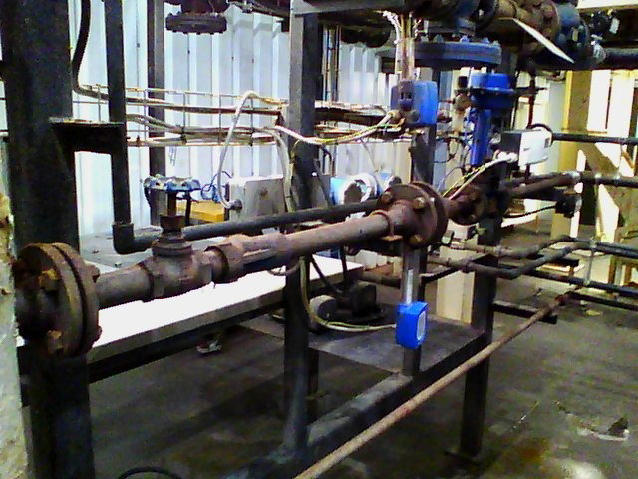
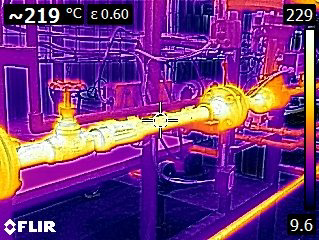
We provided a comprehensive thermal energy TIPCHECK Audit on the food production plant, using a thermal imaging camera to scan pipework, flanges, valves and strainers for example, to identify areas of the plant with savings potential.
Uninsulated and poorly insulated pipework was pinpointed to be wasting the most energy, insulating these areas would lead to the highest energy, CO2 emissions, and cost, savings.
Once the audit was complete, our TIPCHECK Expert used energy efficiency class E of BS EN 17956 (Energy Efficiency Classification) to calculate potential savings.
Using this energy efficiency class, and the data collected, our team was able to determine a cost saving potential of £88,949 per year, if relevant insulation works were carried out, with a payback period on the investment of just 5-months.
Furthermore, the energy needed to run the audit lines/ equipment as required would reduce considerably, from 996,913 kWh/a to 107,419 kWh/a – stopping 889,494 kWh/a of energy being wasted due to poor, or no, insulation. This reduction in energy consumption will ultimately reduce CO2 or equivalent emissions by 234.83 tonnes per annum.
Learn what you could save here >>