


Thermal Insulation
Expert Thermal Insulation Services
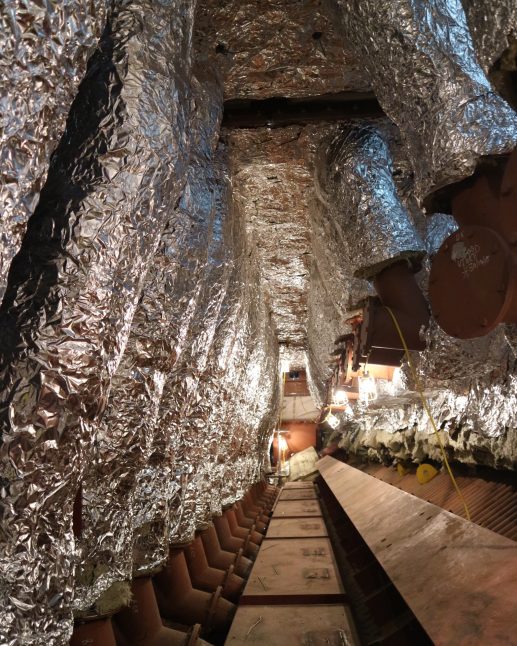
Thermal insulation is required to reduce heat transfer from pipework and equipment. This is especially important in industrial settings where extremely hot temperatures are common as a result of processes. Furthermore, this reduction in heat transfer helps to protect personnel from extreme temperatures. Thermal insulation is also installed to preserve energy and stop heat loss to help improve the efficiency of industrial processes.
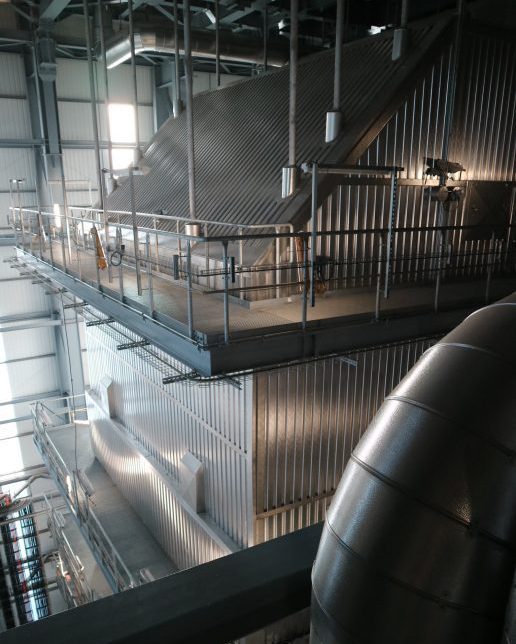
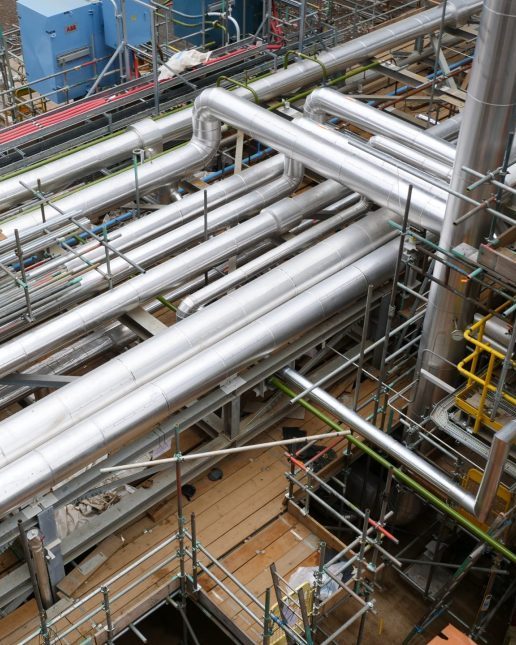
Powertherm have over three decades experience operating on projects which required thermal insulation. We have worked on new construction projects, for facilities upgrades and on long term maintenance contracts for our clients; specialising in industrial boiler, turbine, and associated equipment insulation solutions. Our teams have a wealth of knowledge, understanding things such as corrosion under insulation can be prevalent.
Over our history we have built up a core team of longstanding employees who pride themselves on working as a team to deliver on the most challenging projects. Together they have worked with just about every piece of industrial equipment priding themselves on the quality of work and innovative solutions they provide.
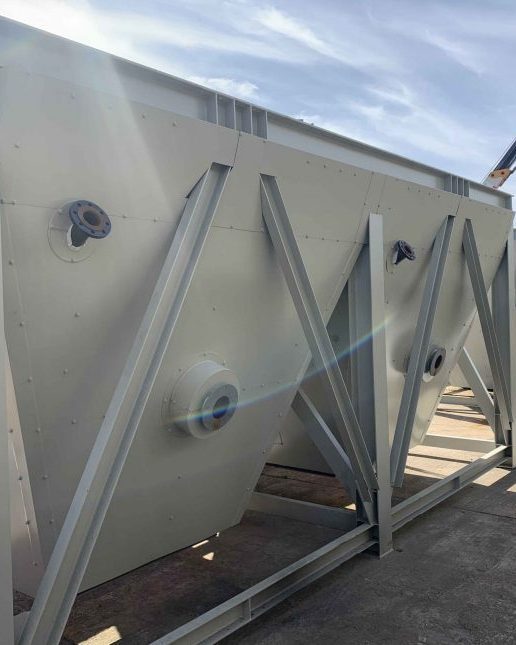
How to choose industrial insulation for high-temperature applications
Choosing the right industrial insulation for high-temperature applications requires careful evaluation of several technical and operational factors.
Key selection criteria include:
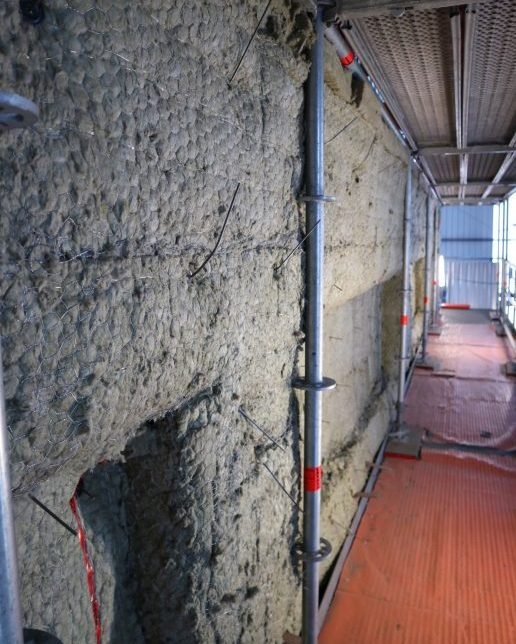
- Maximum service temperature: Common high-temperature materials include mineral wool, calcium silicate, microporous insulation panels, and ceramic fibre. The maximum service temperature of the insulation material must be higher than the maximum operating temperature of the equipment.
- Thermal conductivity (λ value): In high-temperature applications, the λ value should be assessed at the relevant operating temperature, not at ambient, as conductivity increases with temperature for most materials.
- Mechanical properties: The insulation must withstand vibration and thermal expansion/contraction from operations. Compressive strength, load bearings, and static calculations should be analysed.
- Environmental compatibility: If space is limited, insulation materials like aerogels or microporous products allow for thinner layers, whilst still providing sufficient thermal performance. Consider any chemical exposure present in the environment and resistance to moisture, wind, and fire.
- Corrosion under insulation (CUI) risk: High-temperature pipework that experiences wet/dry cycling is particularly susceptible to CUI. Insulation selection and system design should take this into account, with appropriate weatherproofing and cladding.
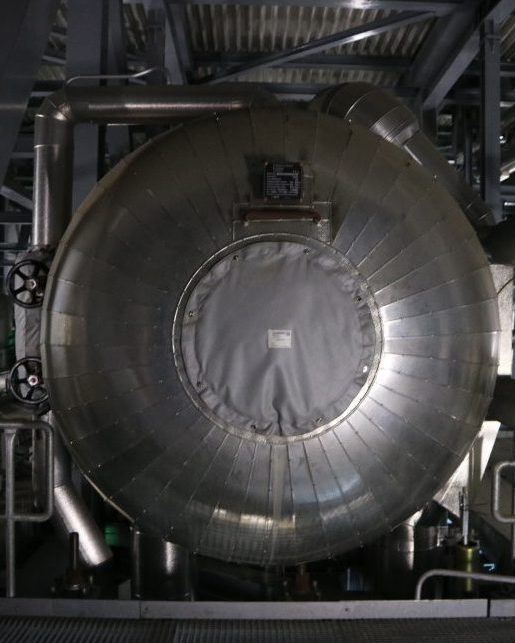
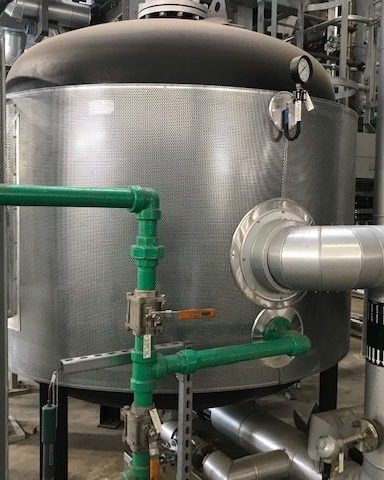
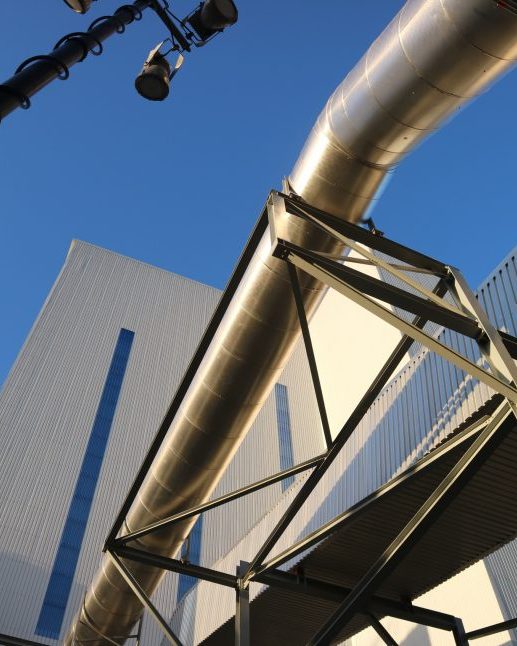
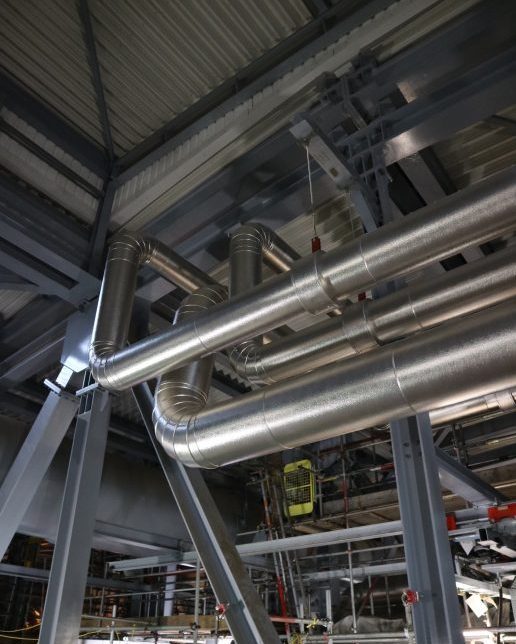
Powertherm’s thermal insulation specialists work across all major industrial sectors, providing insulation system design, supply, and installation, as well as in-house manufacturing of sheet metal cladding and flexible insulation jackets, tailored to the specific demands of each application.