


TIPCHECK – Beverage Production Facility
The Result
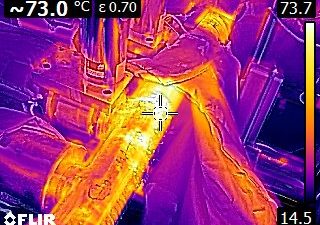
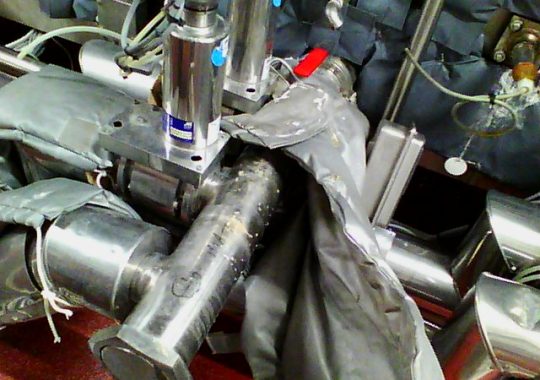
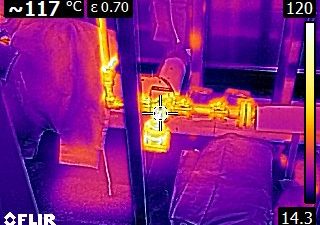
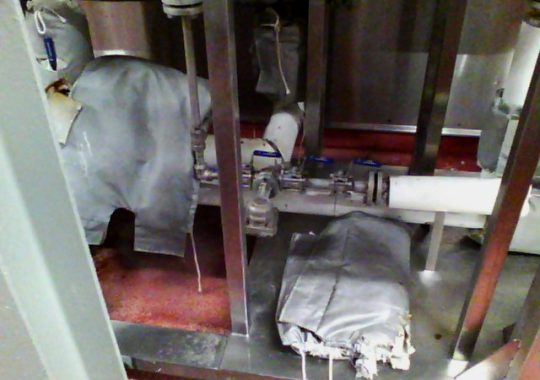
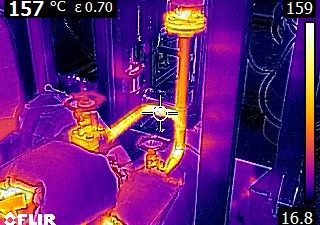
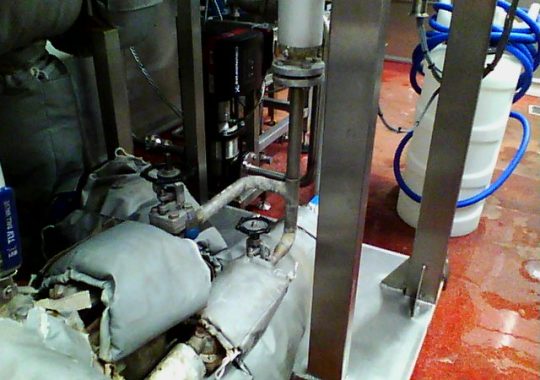
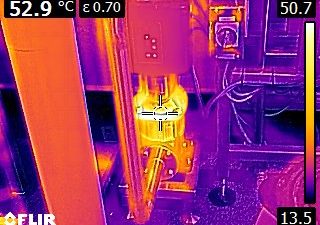
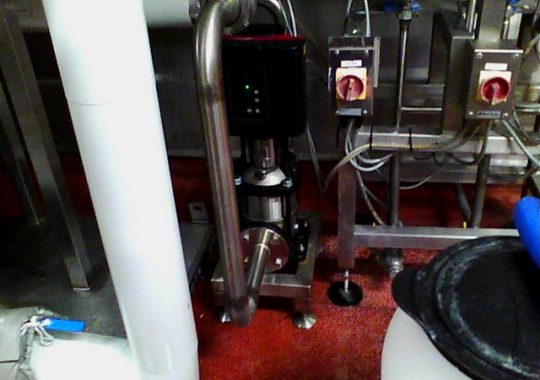
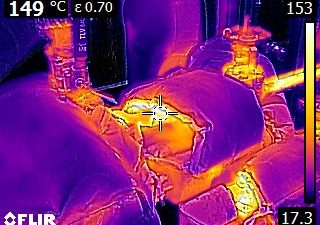
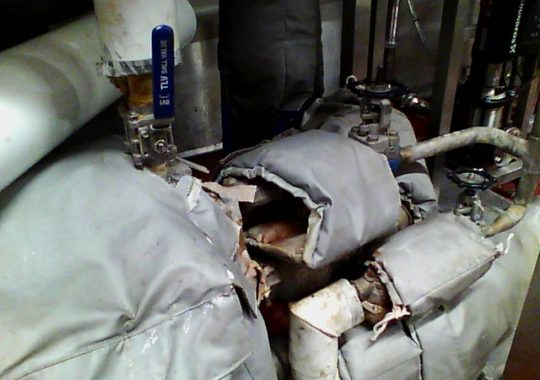
During the energy audits across both high and low temperature systems, multiple lines and components were identified with surface temperatures ranging from 40°C to 250°C. These areas were assessed to have high levels of heat loss due to poor or missing insulation.
Using the data collected on-site, our TIPCHECK Expert calculated annual energy savings and determined the cost-saving potential through insulation upgrades. Estimated payback periods were also provided for targeted improvement works.
The Numbers (p.a.)
Total kWh Savings:
High Temperature Audit – 363,244 kWh
Low Temperature Audit – 39,828 kWh
Combined total – 403,072 kWh
Total Cost Savings:
High Temperature Audit – £87,179
Low Temperature Audit – £9,559
Combined Total – £96,738
Payback Period: 3.5 months
Carbon emissions reductions were not quantified as the site operates below the applicable emissions reporting threshold and current emissions data was therefore unavailable. However, the identified reduction in energy demand would inherently contribute towards lower carbon emissions and improved overall energy efficiency.
The Challenge
Powertherm was engaged to conduct a full TIPCHECK (Technical Insulation Performance Check) at the beverage production facility in Pontefract. The goal was to identify inefficient equipment and piping systems that were contributing to excessive thermal losses and, consequently, energy costs.
The inspections formed part of the end users ongoing commitment to improving sustainability and aligning with regulatory schemes such as the Energy Savings Opportunity Scheme (ESOS).
In addition to reducing energy costs, the proposed insulation improvements would support carbon reduction targets, improve overall plant efficiency, and strengthen compliance with ESOS and wider sustainability objectives.
What We Delivered
Powertherm’s TIPCHECK team carried out a comprehensive energy audit (BS EN 16247) of both high and low temperature systems, including pasteurizers, heat exchangers, steam lines, syrup rooms, and boiler rooms.
Using a FLIR E8 Pro thermal imaging camera, we scanned valves, flanges, tanks, and pipework to identify uninsulated or under-insulated areas. The TIPCHECK Tool, aligned with ISO EN 12241:2022 and BS EN 17956 (Energy Efficiency Classification)/ VDI 4610 standards, was used to quantify heat losses and calculate savings.
Our TIPCHECK Expert applied Energy Efficiency Class F (BS EN 17956) across all components and determined that the potential annual cost saving was £96,738, should the recommended insulation upgrades be implemented.
Observations
The survey identified a clear pattern where energy losses were the most significant across the site. While inefficiencies were present in both high and low temperature systems, the scale of impact varied depending on operating conditions and insulation quality. The findings highlight that targeting key problem areas can deliver additional cost and energy reductions, particularly where heat loss is highest.
- High-Temperature Lines (notably in steam lines and boiler areas) contributed the majority of the savings – over 90% of the total figure.
- Low-Temperature Lines (such as the syrup room and CF15/17 heat exchangers) still showed meaningful savings, particularly in pipework and large-diameter flanges.
- The highest heat-loss and therefore most cost-inefficient areas were large-diameter uninsulated pipes and valves.
Summary
The TIPCHECK survey at the beverage production facility demonstrated the significant energy-saving potential that can be achieved through targeted insulation improvements across both high and low temperature systems. By identifying key areas of thermal loss and quantifying the associated financial impact, Powertherm provided our client with a clear roadmap for improving energy efficiency, reducing operational costs, and supporting wider sustainability and ESOS objectives. With a projected annual saving of £96,738 and a payback period of just 3.5 months, the project highlights the measurable value of proactive thermal energy management.