


Rising Carbon Costs Are Making Energy Efficiency More Important Than Ever
For businesses operating under the UK Emissions Trading Scheme (UK ETS), reducing fuel consumption isn’t just about lowering energy bills. It is also about reducing carbon emissions and exposure to the cost of carbon allowances, which can fluctuate significantly over time.
As carbon prices fluctuate and environmental regulations continue to tighten, industrial operators are increasingly looking for practical ways to improve industrial energy efficiency, cut emissions and reduce operating costs without impacting production – that’s where an industrial insulation survey will help.
One of the most overlooked opportunities lies within industrial insulation, because insulation systems often deteriorate gradually over many years and damaged or missing insulation may not be immediately obvious during routine maintenance.
A TIPCHECK (Technical Insulation Performance Check) is a detailed industrial insulation survey that provides the data needed to identify heat loss, quantify energy waste and prioritise insulation improvements that can reduce both operating costs and carbon emissions.
What is the UK Emissions Trading Scheme?
The UK ETS is the UK’s carbon trading system, introduced in 2021 following the UK’s departure from the EU Emissions Trading System.
It operates on a “cap and trade” principle.
Organisations in energy-intensive sectors, including power generation, manufacturing and certain industrial processes, are allocated or purchase emissions allowances. Each allowance permits the emission of one tonne of carbon dioxide equivalent (CO₂e).
If a facility emits more than its allocated UK ETS carbon allowances, it must purchase additional ones. If it emits less, it may be able to sell surplus allowances or reduce future purchasing requirements. This creates a clear financial incentive to reduce energy consumption and improve operational efficiency.
Understand more about the UK ETS here >>
Source Credit: Purely Energy
Where Does Industrial Insulation Fit into UK ETS?
Industrial facilities often lose significant amounts of heat through missing or poorly insulated pipework, valves, flanges, vessels and process equipment, particularly where insulation has deteriorated or been removed during maintenance activities.
Every kilowatt-hour of wasted energy means additional fuel consumption.
More fuel consumption means:
- Higher energy bills
- Increased CO₂ emissions
- Greater demand for UK ETS allowances
- Higher operating costs
Reducing heat loss can therefore deliver two financial benefits:
- Lower fuel costs
- Reduced energy expenditure
- Reduced carbon exposure under the UK ETS
What is TIPCHECK?
TIPCHECK (Technical Insulation Performance Check) is an internationally recognised methodology developed by the European Industrial Insulation Foundation (EIIF).
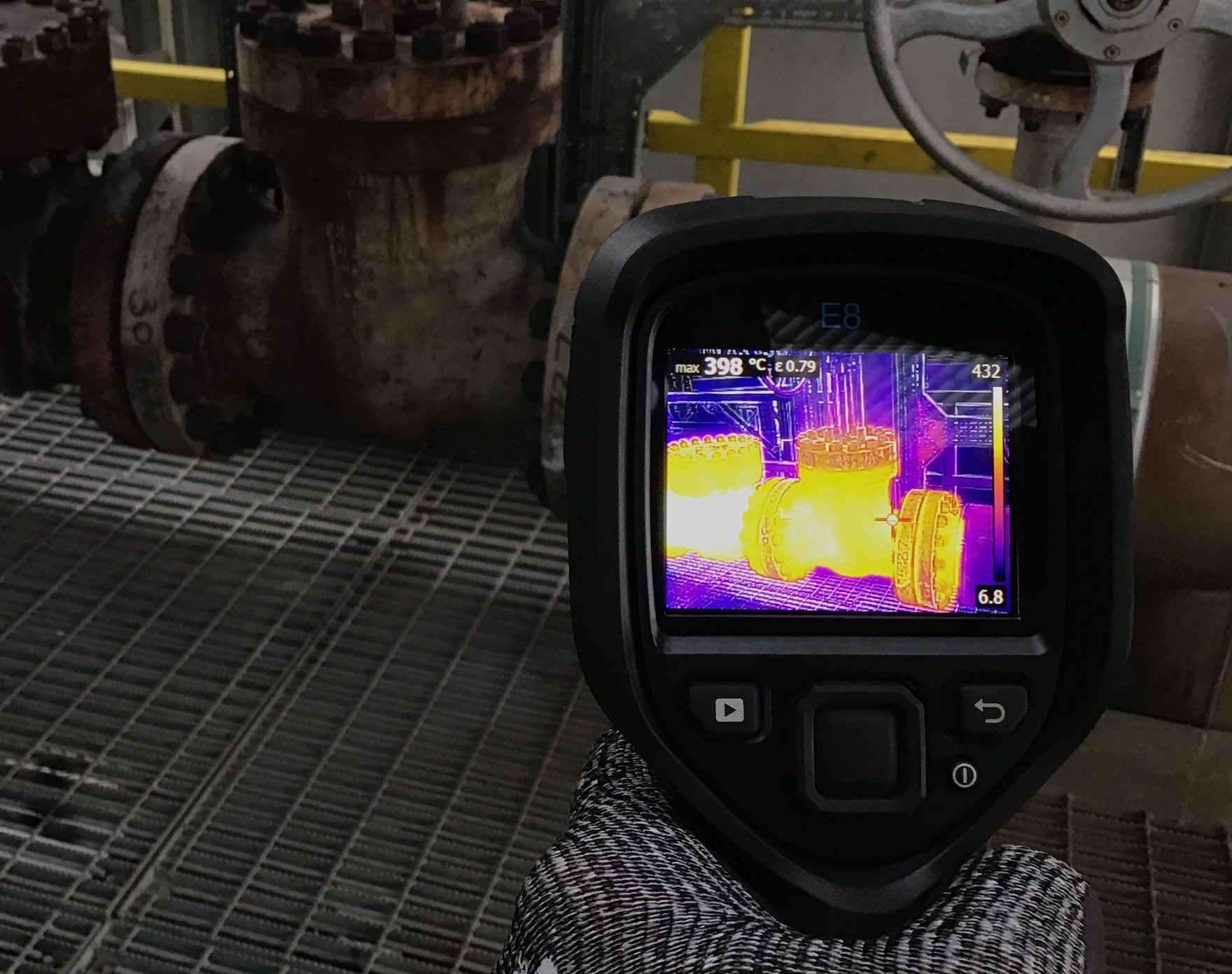
A certified TIPCHECK assessment combines thermal measurements with a comprehensive heat loss survey to measure the performance of industrial insulation systems and calculate:
- Annual energy losses
- Potential energy savings
- Annual cost savings
- CO₂ emission reductions
- Recommended insulation improvements
- Potential energy efficiency ratings (BS EN 17956 >>)
- Estimated project payback periods
Rather than relying on estimates, TIPCHECK provides measurable data that supports investment decisions.
Learn more about TIPCHECK here >>
Industries That Can Benefit
TIPCHECK is particularly valuable for facilities operating high-temperature, steam, hot water or chilled process systems where energy losses can accumulate over thousands of operating hours each year. It is commonly used across sectors such as:
- Power Generation
- Energy from Waste
- Petrochemical Plants
- Oil and Gas
- Chemical Processing
- Food and Beverage Manufacturing
- Heavy Manufacturing
- Pharmaceuticals
- Water and Wastewater Treatment
For many organisations, particularly those operating under the UK ETS, improving insulation performance is one of the most cost-effective approaches to carbon reduction for manufacturers and other energy-intensive industries.
Wherever heat is generated, transported or maintained, there is potential to improve insulation performance, reduce energy consumption and lower carbon emissions.
Quantifying the Value of Better Insulation Through an Industrial Insulation Survey
One of the biggest challenges for engineering and maintenance teams is demonstrating the value of insulation upgrades.
TIPCHECK bridges that gap by converting heat loss into clear financial and environmental metrics. The industrial insulation survey helps organisations answer questions such as:
- How much energy is currently being wasted?
- How much CO₂ could be avoided?
- Which assets should be prioritised?
- How quickly will insulation improvements pay for themselves?
This makes it easier to justify projects internally while supporting wider sustainability objectives.
Supporting UK ETS Compliance
While TIPCHECK is not a compliance requirement under the UK ETS, it can play an important supporting role by helping organisations:
- Reduce fuel consumption
- Lower greenhouse gas emissions
- Improve energy efficiency
- Support carbon reduction strategies
- Prioritise investments with measurable returns
- Build evidence for sustainability and industrial decarbonisation programmes
For organisations purchasing carbon allowances, reducing emissions through improved insulation can contribute to lower long-term carbon liabilities and reduced compliance costs.
Why Small Insulation Defects Can Create Significant Energy Losses
Insulation is often viewed as a maintenance item rather than an energy saving asset. However, even relatively small insulation improvements can deliver substantial reductions in energy use. When multiplied across an entire site, these savings can significantly reduce fuel consumption, carbon emissions and the lifecycle cost of process assets.
Discover how much you can save with a TIPCHECK >>
Real-World Example: TIPCHECK at a UK Refinery
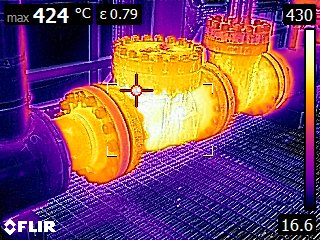
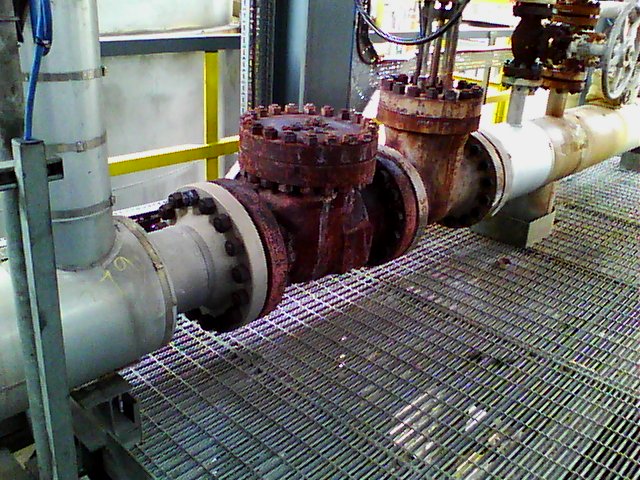
A recent TIPCHECK assessment carried out by Powertherm at a COMAH Tier 1 UK refinery identified significant heat losses from uninsulated valves on the site’s high-pressure steam circuit.
The assessment identified insulation improvements capable of delivering:
- Over £250,000 in annual energy cost savings
- More than 1,100 tonnes of CO₂e emissions avoided each year
- A projected payback period of just two months
For organisations operating under the UK Emissions Trading Scheme, reducing these emissions can also reduce exposure to the cost of purchasing UK ETS carbon allowances.
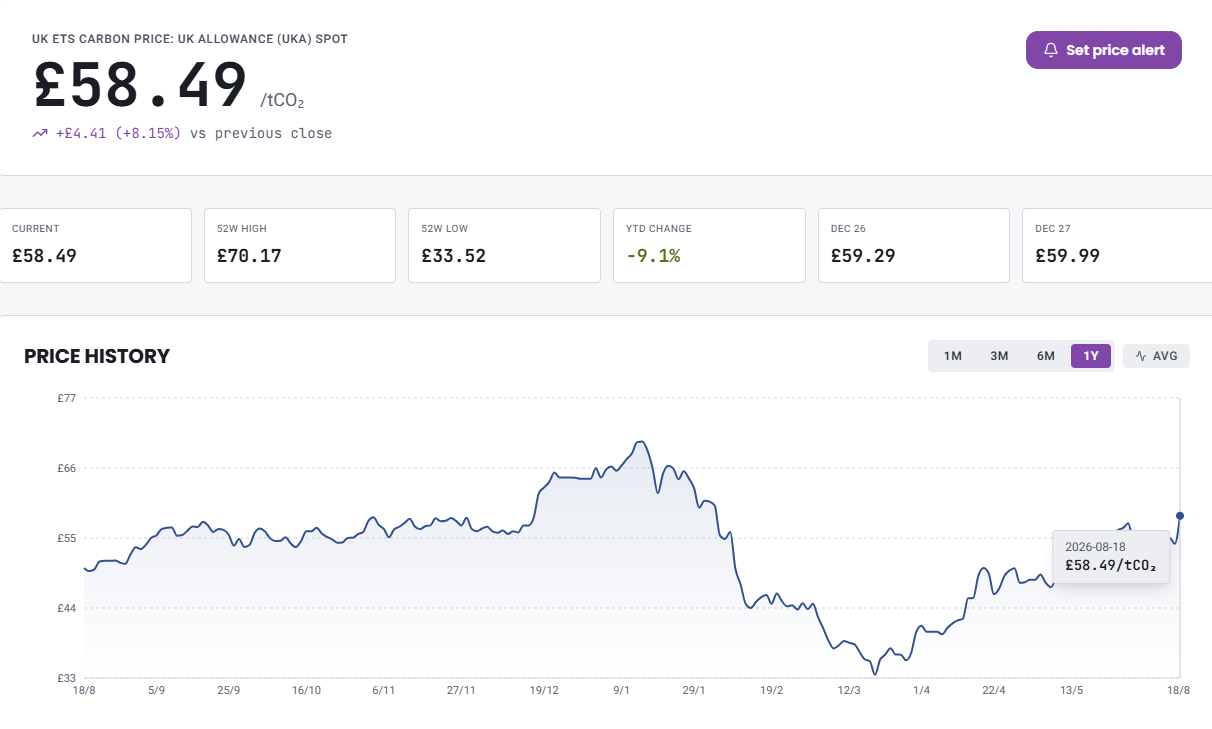
Using a UK ETS allowance price of approximately £58.49 per tonne (18/08/26), avoiding more than 1,100 tonnes of CO₂e represents a potential avoided carbon allowance exposure of over £64,339 per year, in addition to the site’s energy savings. As UK ETS allowance prices fluctuate over time, the financial value of these avoided emissions may increase or decrease accordingly.
This real-world example demonstrates how a TIPCHECK assessment can provide engineering teams with quantified data to justify insulation improvements, prioritise investment and support wider energy efficiency and industrial decarbonisation objectives.
For more detail on this project click here >>
Future Proof Your Facility
With carbon management becoming an increasingly important part of industrial operations, understanding where energy is being lost has never been more valuable.
Whether your objective is lowering energy bills, improving process efficiency or reducing your carbon footprint, improving insulation performance is one of the fastest ways to achieve measurable results.
An industrial insulation survey or TIPCHECK provides the data needed to make informed investment decisions. It doesn’t just identify heat loss – it quantifies the financial impact, allowing engineering teams to prioritise projects with the greatest return on investment.
Contact Powertherm to arrange a certified TIPCHECK assessment and discover where your facility could reduce energy use, carbon emissions and UK ETS costs.